
Before You Pay Four Years of Rent:
October 27, 2026
October 27, 2026
October 27, 2026
If you are helping pay for your student’s housing at the University of Texas, you may already be wondering:
Would it make more sense to purchase a property instead of paying rent for the next several years?
There is no universal answer. However, for some families, purchasing a campus-area home can provide stable housing, potential roommate income and an opportunity to build equity while their student attends college.
Here are the most important things to consider before making that decision.
Start by estimating what you expect to spend on rent throughout your student’s time at UT.
Remember to include more than the advertised monthly rate:
Then compare those expenses with the estimated cost of ownership:
Renting may offer greater flexibility and fewer responsibilities. Purchasing may offer more control over the living environment and the potential to build equity, but it also comes with financial risk and ongoing expenses.
A two-bedroom or three-bedroom property may allow your student to live in one bedroom and rent the additional bedroom or bedrooms to roommates.
Roommate rent could help offset a portion of the monthly expenses, but it should never be treated as guaranteed income. Before purchasing, consider:
A written lease is important, even when the roommate is a friend. Clear expectations can protect both the friendship and the property.
A property does not have to be directly across the street from campus to be attractive to students.
Consider how easily a student can reach:
Also look at the property’s appeal beyond the student market. A home that could later attract young professionals, medical professionals, graduate students or traditional residential buyers may provide more resale flexibility.
Not every two-bedroom home works equally well for roommates.
Features that can make shared living easier include:
A yard can be especially valuable for students with pets or anyone who wants more outdoor space than a traditional apartment or dorm can provide.
Financing a home for a college student can be different from purchasing your own primary residence.
The available loan structure may depend on:
Speak with a lender who understands parent-purchased and campus-area housing before assuming which loan program or interest rate will apply.
There is not a special automatic tax deduction simply because a property houses a college student.
However, depending on the ownership structure and rental arrangement, an owner may be eligible for certain deductions involving mortgage interest, property taxes, rental expenses or depreciation.
The rules can change depending on whether:
Before purchasing, talk with a qualified CPA or tax advisor. Ask them to review the proposed ownership, financing and roommate arrangement so you understand how the property would be treated in your specific situation.
Your student’s graduation should not be the first time you discuss what happens next.
Possible exit strategies include:
Ask how easily the property could appeal to a future buyer or tenant. A desirable location, flexible layout, private bathrooms, parking and outdoor space can all influence its long-term marketability.
Real estate values and rental income are never guaranteed, so the decision should still make sense if the market changes or the property takes longer than expected to sell.
Many financial-aid packages include an estimated allowance for housing and food as part of the school’s total Cost of Attendance. At UT Austin, the Cost of Attendance includes estimated housing and living expenses and is used when calculating a student’s financial-aid package.
When a student lives off campus, eligible funds remaining after tuition and university charges may be available to help pay qualified housing expenses. Depending on the source and terms of the funds, this may include financial-aid refunds, scholarships, education benefits or distributions from a 529 plan.
One strategy a family may explore is purchasing the property as an investment, potentially through an LLC, and having the student formally rent the home or one bedroom from the property owner. The student’s eligible housing funds may then be used to pay documented rent. The property owner or LLC receives that rent as rental income and may use it toward the mortgage, property taxes, insurance, maintenance and other property expenses.
For example:
This structure may allow a family to redirect money that would otherwise be paid to a dorm, apartment complex or unrelated landlord toward a family-owned asset.
However, several important rules apply:
Before using this strategy, the family should review the proposed ownership, lease and flow of funds with the university’s financial-aid office, a qualified lender, a CPA and a real estate attorney. The goal is to make sure the arrangement complies with the requirements attached to the student’s particular funding and accurately treats the home as a rental investment.
Use this checklist when evaluating a campus-area property:
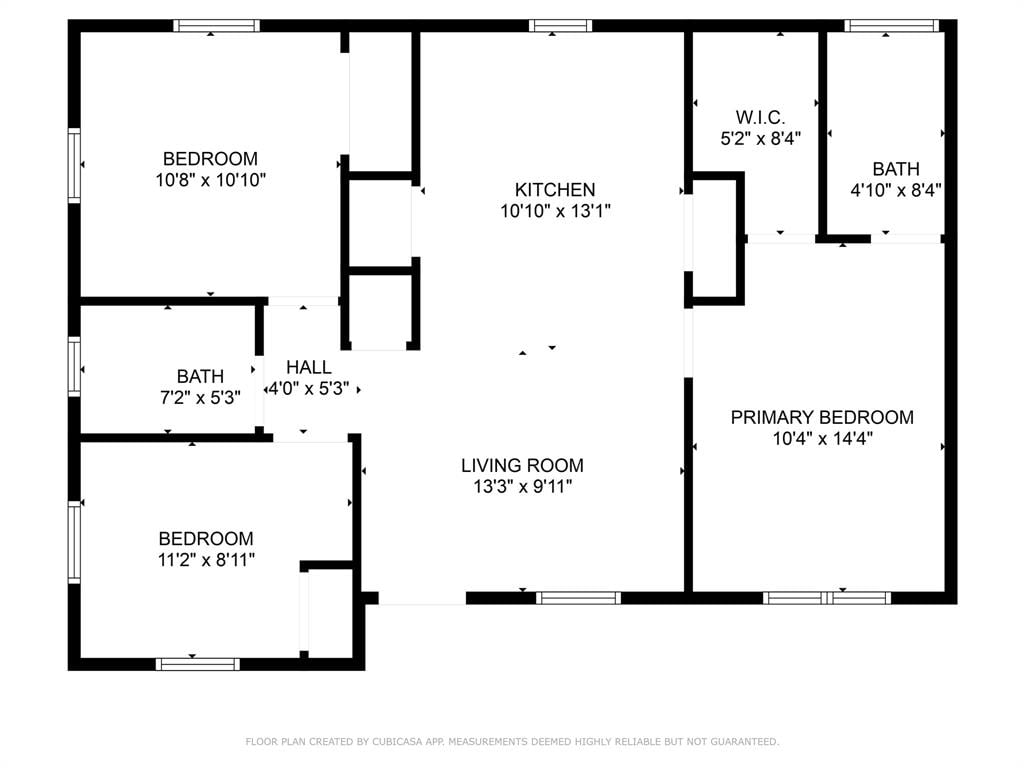
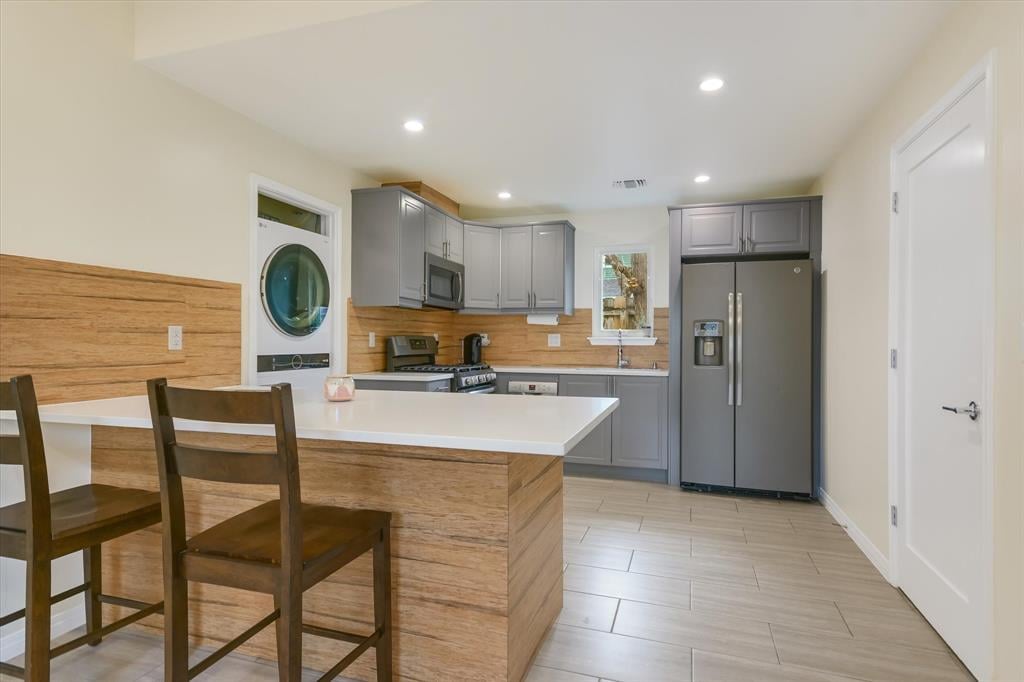
I currently have a two-bedroom, two-bath property available on East 14th Street near the University of Texas. See photos and 3D Tour Here: https://1705-e-14th-st---b.jennifermartinrealtor.com/
The layout is especially well suited to shared living because it provides two bedrooms and two bathrooms, along with a comfortable living area and a nice yard—a feature that can be difficult to find in campus-area housing.
For a family already preparing to pay several years of rent, this property offers an opportunity to explore:
It may not be the right answer for every family, but it is worth comparing the numbers before automatically signing another lease.
I can help you compare this property with the cost of renting, estimate potential roommate income and identify the questions you should bring to your lender and CPA.
Schedule a private tour or request the property details below.
Jennifer Martin
Broker Associate
Christie’s International Real Estate
This guide is provided for general educational and marketing purposes only. It is not intended as legal, tax, investment, accounting or lending advice. Tax treatment, financing eligibility, rental income and property appreciation vary based on individual circumstances. Buyers should consult qualified legal, tax, insurance and lending professionals before purchasing. Equal Housing Opportunity.
Stay up to date on the latest real estate trends.
A Parent’s Guide to Buying Near UT Austin







Get assistance in determining current property value, crafting a competitive offer, writing and negotiating a contract, and much more. Contact Jen today.